16 November 2023
Virtual Advertising: The New Revenue Frontier in Sports Media
Beyond the Static Board.
As Sports Media executives, we have witnessed a fundamental shift in how events are monetised. Gone are the days when traditional, static advertising was the only mechanism to attract sponsors. Today, the advent of Virtual Production and Virtual Advertising has unlocked a sophisticated new inventory for federations, team owners, and brands. It is no longer just about putting a logo on a screen; it is about delivering a bespoke commercial message to a specific viewer, anywhere in the world.
The Commercial Trajectory.
The market trajectory is undeniable. Industry analysis from the early 2020s predicted the global virtual advertising market would exceed $30 billion by 2026, driven by the adoption of Augmented Reality (AR) and e-commerce integration. As we navigate this landscape today, those projections have been validated. With the global sports market valued at over $600 billion, the integration of virtual inventory is not just a trend; it is a primary driver of sector growth. While exact adoption rates vary by territory, the direction of travel is clear: virtual is the standard, not the exception.
The Power of Regionalisation.
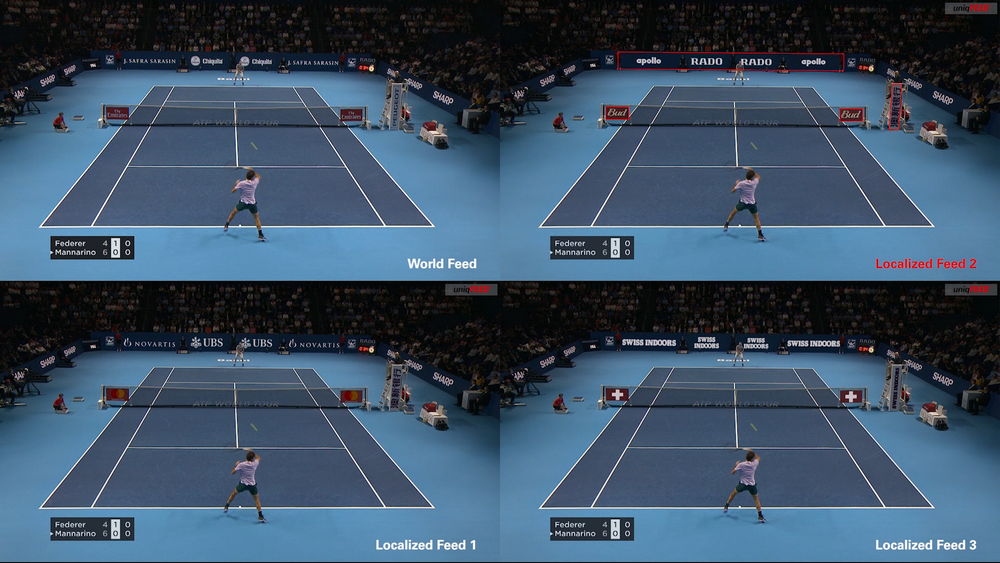
The most immediate commercial benefit of virtual advertising is the ability to monetise the same pixel multiple times. By deploying DBRL (Digital Board Replacement) technology, rights holders can offer regionalised advertising in the local language of the viewing territory. This ensures that a fan in Tokyo sees a Japanese sponsor while a fan in Madrid sees a Spanish one—all from the same live match feed. This capability aligns commercial inventory with the multi-language commentary feeds already in use, allowing organisations to unlock entirely new revenue streams from sponsors targeting specific geographical markets.
Visual Enhancement and Augmented Reality
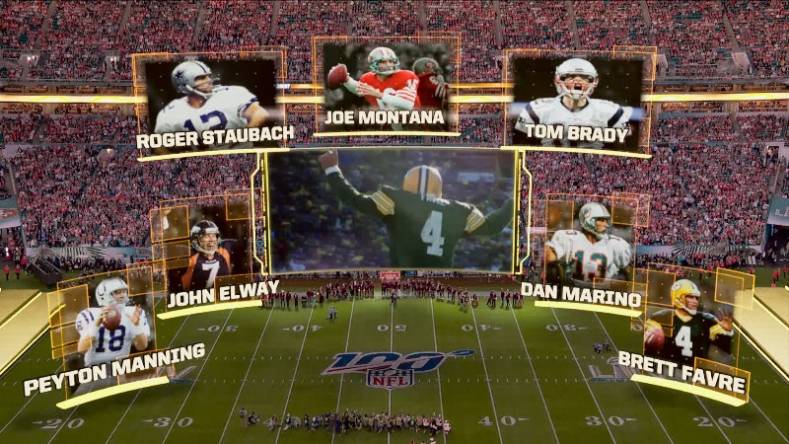
Beyond pure revenue, virtual technology is a critical tool for attention retention. In a fragmented media landscape, Augmented Reality (AR) provides the immersive experience necessary to capture audience attention—the key metric by which advertisers assess value. AR transforms a standard broadcast into an interactive spectacle, placing graphics seamlessly onto the field of play. This creates a closer connection between the fan and the action, maximising the impact of the brand message associated with it.
The 'Must-Have' of Live Data Using AR to visualise live data is no longer a luxury; it is a hygiene factor for modern sports production. Fans demand real-time information delivered in a visually compelling manner. Whether it's player-tracking maps or predictive shot trajectories, AR transforms raw data into viral content.
These moments drive what we used to call "water cooler conversation, but now recognise as "social engagement." By making data visual and shareable, rights holders give fans the bite-sized content they crave for social platforms. This creates a feedback loop: fans engage with the AR content online, which entices them back to the live broadcast to see more.
The Role of Artificial Intelligence.
The barrier to entry for these technologies is rapidly lowering thanks to Artificial Intelligence. AI is replacing expensive proprietary hardware with agile software solutions, shifting workflows from on-premise trucks to the Cloud. This democratisation of technology means that virtual advertising is no longer the preserve of only the most significant leagues. The number of solution providers is expanding, and the tools are becoming faster and easier to deploy.
How LCA Can Help:
Navigating this ecosystem can be complex. LCA specialises in guiding sports organisations through the transition to virtual production. We help you identify the leading commercial partners, evaluate the technical reliability of virtual replacement solutions, and structure the commercial rights to maximise value. By partnering with LCA, you ensure that your move into virtual advertising is not just a technical upgrade, but a profitable commercial strategy.
Conclusion:
Virtual production is the next natural revenue frontier in live sports. It offers a trifecta of benefits: regionalised revenue, enhanced visual engagement, and efficient cloud-based workflows. LCA is at the forefront of this evolution, well-positioned to help federations and brands turn pixels into profit.